 |
|||
 |
|||
 |
 |
 |
|
 |
|
 |
 |
 |
|||
 |
|||
 |
|||
 |
 |
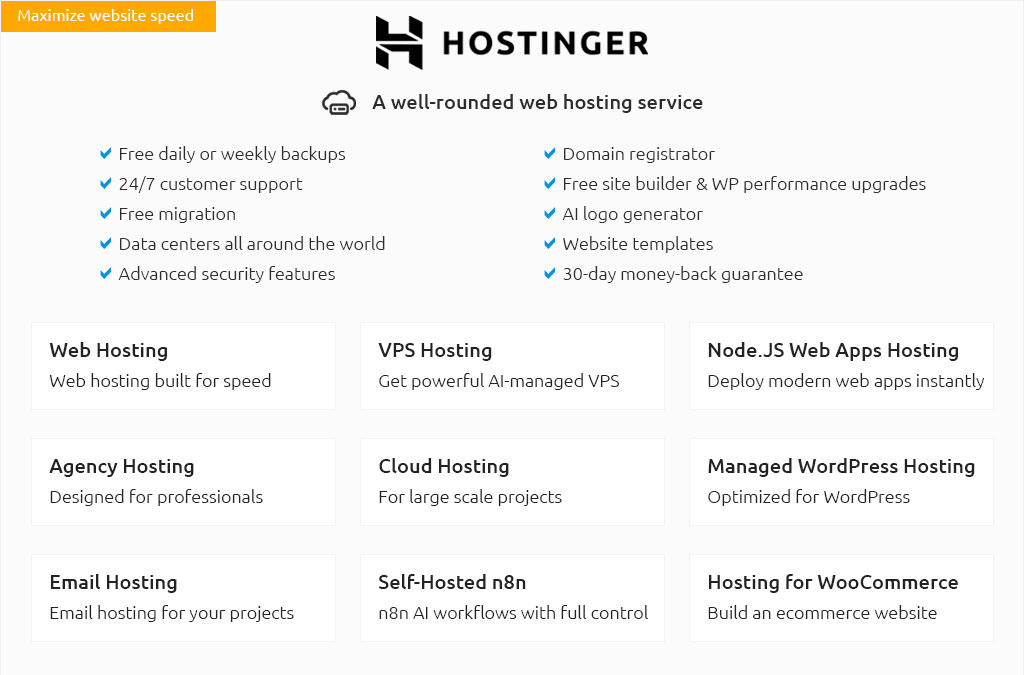
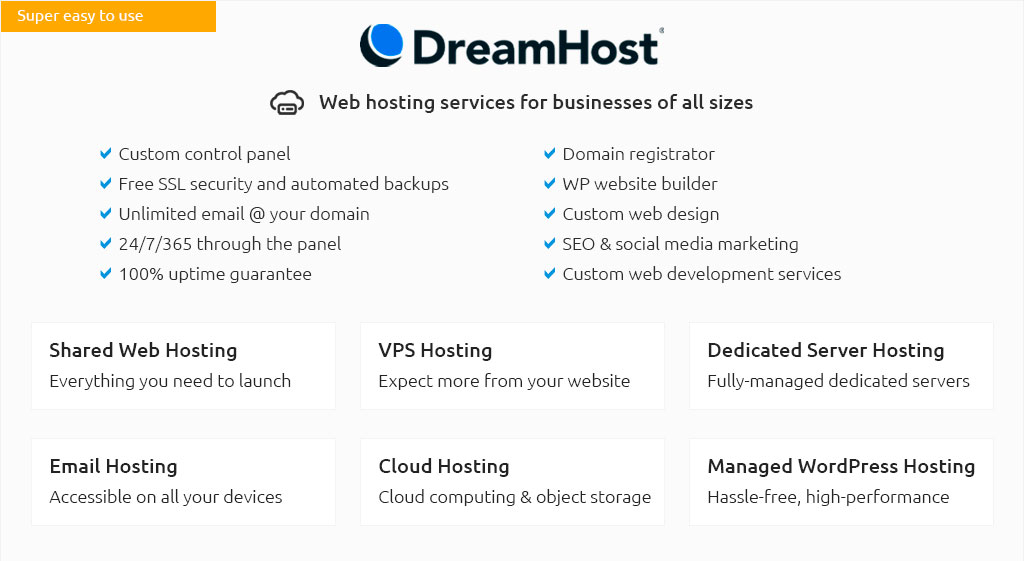
best web hosting for business choices explained clearlyUnderstanding your needsBefore picking a plan, map your traffic patterns, compliance duties, and budget runway. A boutique agency may do fine on managed shared hosting, while a growing SaaS often benefits from VPS or elastic cloud instances with predictable scaling. Key criteria to compareLook for real-world performance, an uptime SLA, layered security, automated backups, and responsive, 24/7 support that actually solves problems. Transparent contracts matter as much as flashy specs.
Match type to stageShared fits pilots and local shops; VPS suits steady growth; managed WordPress aids content teams; cloud clusters handle spiky loads; dedicated boxes serve regulated workloads needing isolation. Practical buying tipsUse trials and migration help, confirm backup restores, monitor latency from your markets, and avoid lock-in by keeping portable backups and infrastructure-as-code.
|
